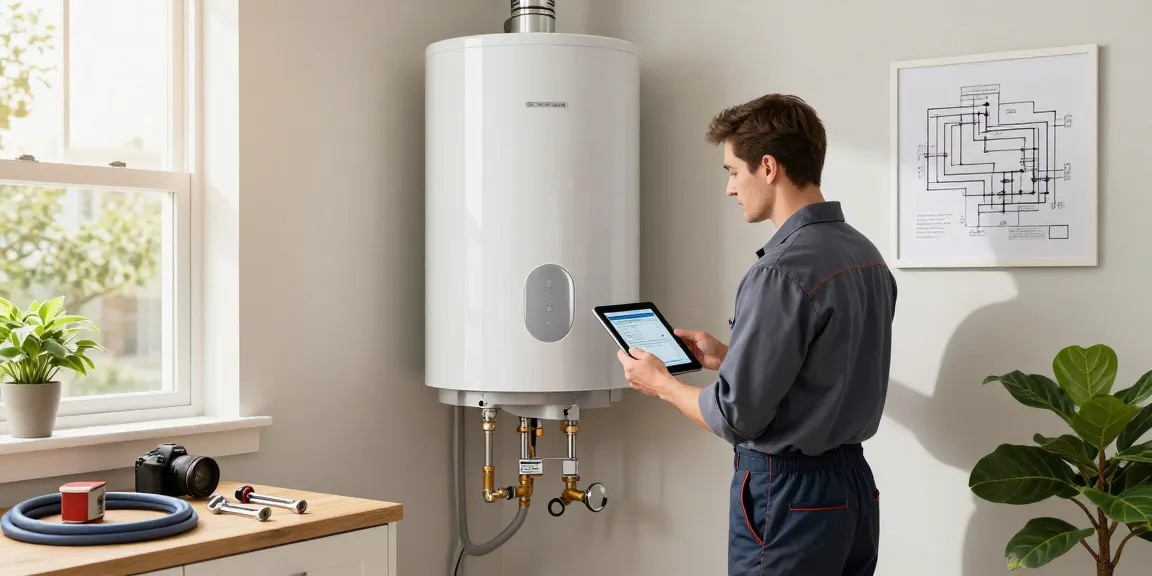
Understanding Common Water Heater Issues in Fort Worth
As a homeowner in Fort Worth, maintaining your water heater is crucial for ensuring constant access to hot water, especially during the colder months. However, many homeowners overlook the signs that their water heater may need attention until it's too late. By identifying potential issues early, you can avoid costly repairs or replacement. This article will delve into common water heater problems, the repair process, and tips for choosing the right water heater for your home. For optimal service, rely on water heater repair Fort Worth professionals who can assist you with all your plumbing needs.
Identifying Signs Your Water Heater Needs Repair
Water heaters are designed to operate seamlessly, but they can encounter several issues over time. Recognizing the signs of malfunction can save you from a plumbing crisis. Here are the most common indicators that your water heater requires repair:
- Inconsistent Water Temperature: If you're experiencing fluctuating water temperatures, it may indicate a problem with the thermostat or heating element.
- Strange Noises: Banging or popping sounds could be caused by sediment buildup at the bottom of the tank, which can lead to overheating.
- Water Discoloration: Rusty or discolored water can be a sign of corrosion inside the tank, potentially leading to leaks.
- Leaks Around the Unit: Any visible water pooling around the heater may suggest a leak that needs immediate attention.
- Foul Odors: If you smell rotten eggs or sulfur, your water heater may need to be flushed or serviced for bacteria growth.
Common Problems Encountered by Fort Worth Homeowners
Fort Worth homeowners frequently encounter several prevalent issues with their water heaters. These can range from simple fixes to complex repairs. Understanding these common problems can help you better communicate with your repair technician:
- Heating Element Failure: Electric water heaters rely on heating elements to warm the water. When these elements fail, you can be left with cold water.
- Thermostat Malfunctions: A faulty thermostat can prevent your heater from reaching the desired temperature, leading to discomfort.
- Pipe Corrosion: Over time, your water pipes can corrode, leading to leaks and water quality issues.
- Tank Sediment Buildup: Sediment can accumulate in the tank, reducing efficiency and potentially causing damage.
- Pressure Relief Valve Issues: A malfunctioning pressure relief valve can create dangerous pressure levels, necessitating immediate professional intervention.
Expert Tips for Troubleshooting Water Heater Issues
If you suspect issues with your water heater, consider these troubleshooting tips before calling a professional:
- Check Power Source: For electric heaters, ensure the unit is plugged in and the circuit breaker is not tripped.
- Inspect the Pilot Light: For gas heaters, confirm that the pilot light is lit. If it's out, follow safety procedures to relight it or call a professional.
- Monitor Temperature Settings: Ensure the thermostat is set to an appropriate temperature, typically between 120°F and 140°F for optimal performance.
- Flush the Tank: Regularly flushing the tank can help eliminate sediment buildup and enhance efficiency.
- Listen for Unusual Noises: Take note of any sounds coming from your unit. Persistent noises often indicate a need for servicing.
Choosing the Right Water Heater for Your Home
When selecting a water heater, it's essential to consider various factors, including your household's hot water needs and the available space in your home. A well-chosen unit can provide years of reliable service and efficiency. Here are some key considerations:
Comparing Tank vs. Tankless Water Heaters
Water heaters generally fall into two categories: tank and tankless. Each has its advantages and disadvantages:
- Tank Water Heaters: These conventional units store hot water in a tank and are usually less expensive to install. However, they can run out of hot water during peak usage.
- Tankless Water Heaters: These models heat water on demand, providing endless hot water and greater energy efficiency, though they require a higher initial investment.
Energy Efficiency Ratings and Their Importance
Energy efficiency ratings provide insight into how much energy a water heater consumes compared to its output. Look for units with high Energy Factor (EF) ratings, as they tend to reduce utility bills over time. The Department of Energy simplifies this process by labeling water heaters with energy guides, making it easier for homeowners to compare efficiency levels.
Proper Sizing for Optimal Performance
Choosing the right size water heater is critical for meeting your household's hot water demands. Consider the number of occupants and peak usage times when selecting a unit. The first-hour rating (FHR) indicates how much hot water the unit can provide in the first hour of use, which should align with your family's needs.
The Water Heater Repair Process Explained
Understanding the repair process can help set your expectations and ensure you receive quality service. Here’s a summary of what typically occurs during a repair:
Steps Involved in Professional Repair Services
When you contact a professional for water heater repair, the technician will typically follow these steps:
- Initial Assessment: The technician will assess the problem by examining the heater and your hot water supply.
- Diagnosis: After determining the issue, the technician will present options for repair or replacement.
- Repair Execution: Upon agreement, the technician will carry out the necessary repairs, ensuring everything is up to code.
- Testing: Once repairs are made, the technician will test the system to ensure it operates correctly.
- Follow-Up: A good service provider will offer follow-up support to address any lingering questions or concerns.
What to Expect During a Service Visit
During a service visit for a water heater repair, you can anticipate professionalism and transparency. The technician will explain the diagnostic process, share their findings, and outline the costs before proceeding with any work.
Understanding Repair vs. Replacement Decisions
Sometimes, repairs are not feasible, and replacement may be the best option. Factors influencing this decision include:
- Age of the Unit: Water heaters typically last 8-12 years. An older unit may be more cost-effective to replace than to repair.
- Severity of Issue: Major failures, such as significant leaks or extensive corrosion, often necessitate replacement.
- Energy Efficiency: Upgrading to a more energy-efficient model can save money on utility bills in the long run.
Emergency Plumbing Situations and How to Handle Them
Emergency plumbing issues can arise unexpectedly and require immediate action. Knowing how to respond can mitigate damage and ensure safety.
What Constitutes a Plumbing Emergency?
A plumbing emergency includes situations like severe leaks, no running water, sewage backflow, or burst pipes. Recognizing these emergencies can prompt quick action to minimize water damage.
Immediate Steps to Take During a Major Leak
In the event of a major leak, follow these steps:
- Turn Off the Water Supply: Locate the nearest water shut-off valve to stop the flow of water.
- Evacuate the Area: If there is standing water near electrical outlets, evacuate the area and avoid contact with the water.
- Contact a Professional: Notify a plumbing service for immediate assistance.
When to Call for Professional Assistance
Always consult a professional when encountering plumbing issues beyond your expertise. Quick action can often save you from extensive damage and costly repairs.
Looking Ahead: Trends in Water Heater Technology for 2026
As technology evolves, so do water heating systems. Keeping abreast of these trends can help you make informed decisions about your home's plumbing and energy consumption.
Innovations in Energy-Efficient Water Heating
Emerging technologies focus on increasing energy efficiency, such as heat pump water heaters and solar-powered systems. These innovations can significantly reduce energy costs and carbon footprints.
Smart Water Heaters: Automation and Connectivity
Smart water heaters equipped with Wi-Fi capabilities allow homeowners to monitor their hot water usage remotely. This connectivity facilitates insights into energy consumption, promoting more efficient practices.
Preparing Your Home for Future Plumbing Challenges
As plumbing systems age, proactive maintenance is essential. Consider regular inspections and maintenance schedules to prevent emergencies and extend your system's lifespan.
What Are the Benefits of Regular Maintenance?
Regular maintenance can enhance efficiency, prolong appliance lifespan, and reduce the likelihood of emergency repairs. It also ensures your system operates safely and effectively.
How to Maintain Your Water Heater for Longevity
To keep your water heater running smoothly, implement the following maintenance practices:
- Flushing the Tank: Perform a tank flush annually to remove sediment buildup.
- Insulating the Tank: Insulation can improve efficiency and reduce energy costs.
- Checking Pressure Relief Valves: Regularly test the pressure relief valve to ensure it functions correctly.
FAQs: Key Questions About Water Heater Repair
How often should I schedule maintenance for my water heater?
A general recommendation is to schedule maintenance at least once a year. However, older units may require more frequent inspections.
What are the signs that my water heater needs to be replaced?
Consider replacing your water heater if it is over ten years old, shows signs of leakage, or requires frequent repairs.
Can I fix minor issues with my water heater myself?
While some minor issues can be addressed by homeowners, such as resetting the thermostat, it's best to consult a professional for significant repairs.
How much does water heater repair typically cost in Fort Worth?
The cost of repair can vary widely depending on the problem but generally ranges from $100 to $600. Regular maintenance can help avoid higher repair costs.
What kind of warranties are available for plumbing services?
Most reputable plumbing services offer warranties on parts and labor, protecting you from any future issues after a repair or installation.